How to Modify Car Files to Boost Power in Assetto Corsa

Assetto Corsa is not just a racing simulator, but a full-fledged platform for car enthusiasts who want not only to race, but also to “dig under the hood”.
Today we will tell you how to change the characteristics of the car directly through the game files. This method is suitable for modified cars that are not protected by the .acd format.
As an example, we will edit a 1999 Honda Civic Si. The car is not particularly powerful, but after modification it should produce more horsepower and more aggressive VTEC operation. The original top speed is 234 km/h, the goal is to accelerate it to 240+.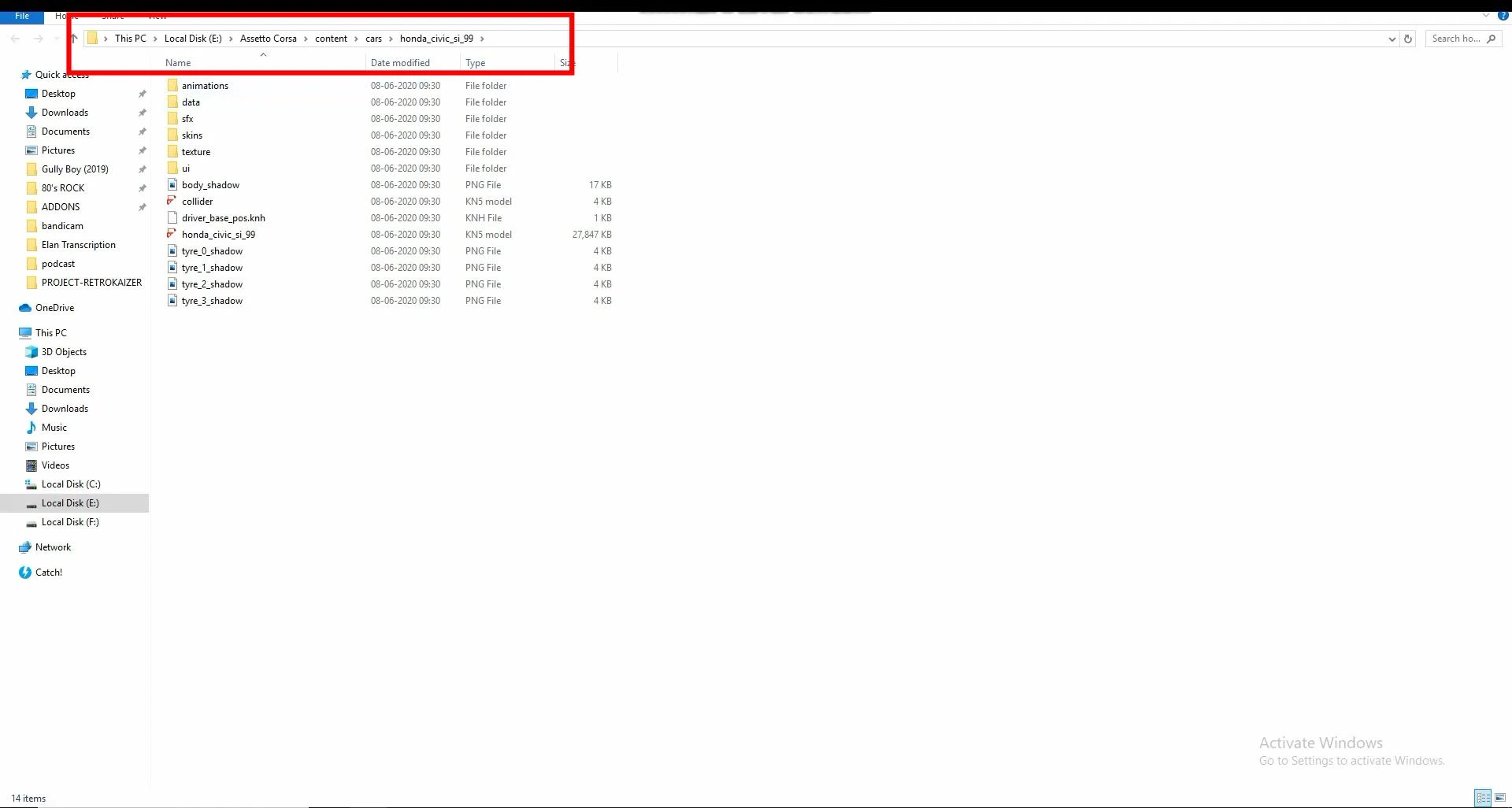
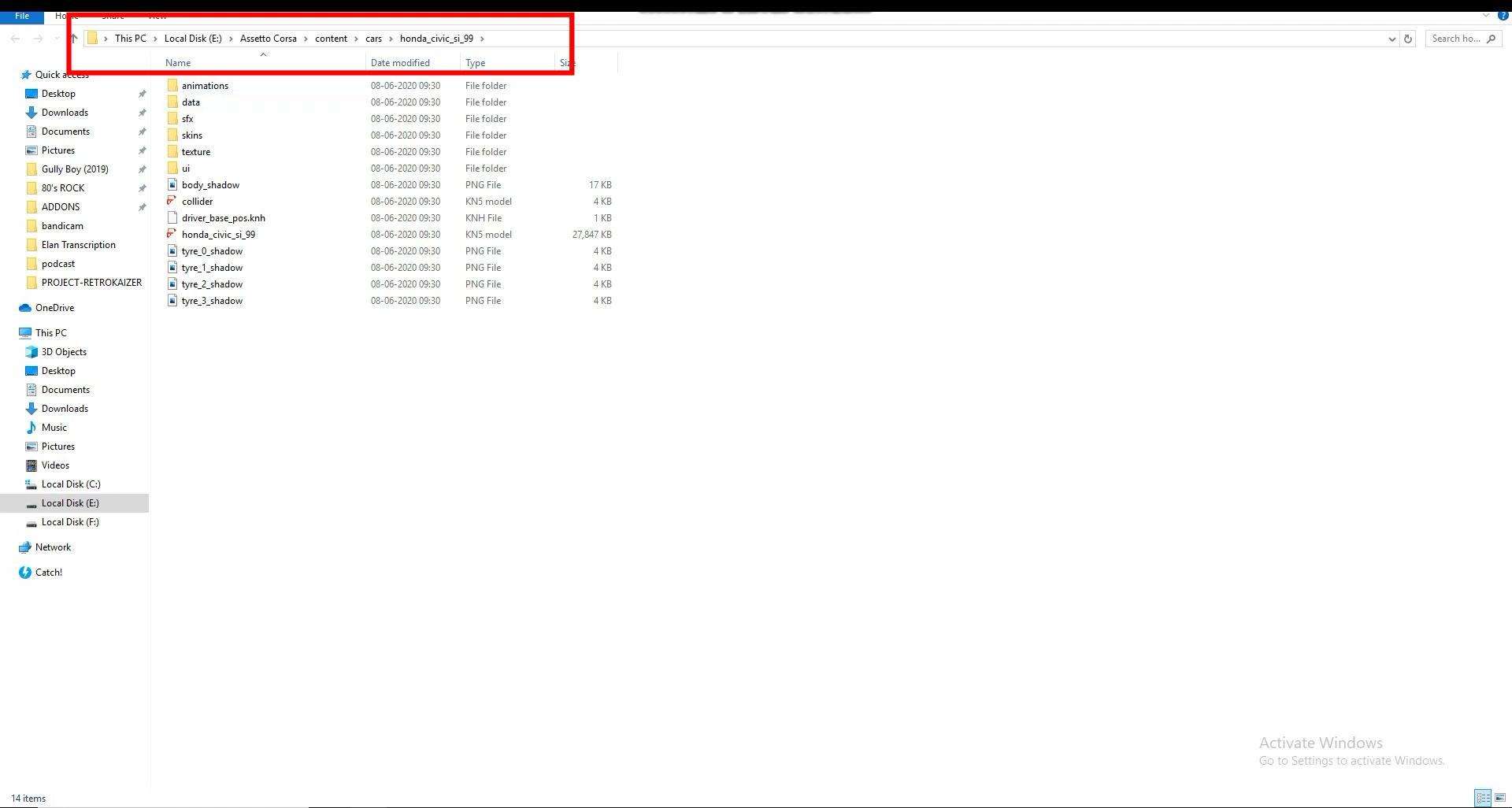
Go to the installation folder of the game on the path:
\SteamLibrary\steamapps\common\assettocorsa\content\cars
Only mods with an open file structure (not packaged in .acd) can be manually customized. For example, official cars from Kunos, like the Ferrari 458 GTO, are not subject to such editing.
Copy the folder with the car to keep the original. Only work with the duplicate - this is important for the safety of the changes.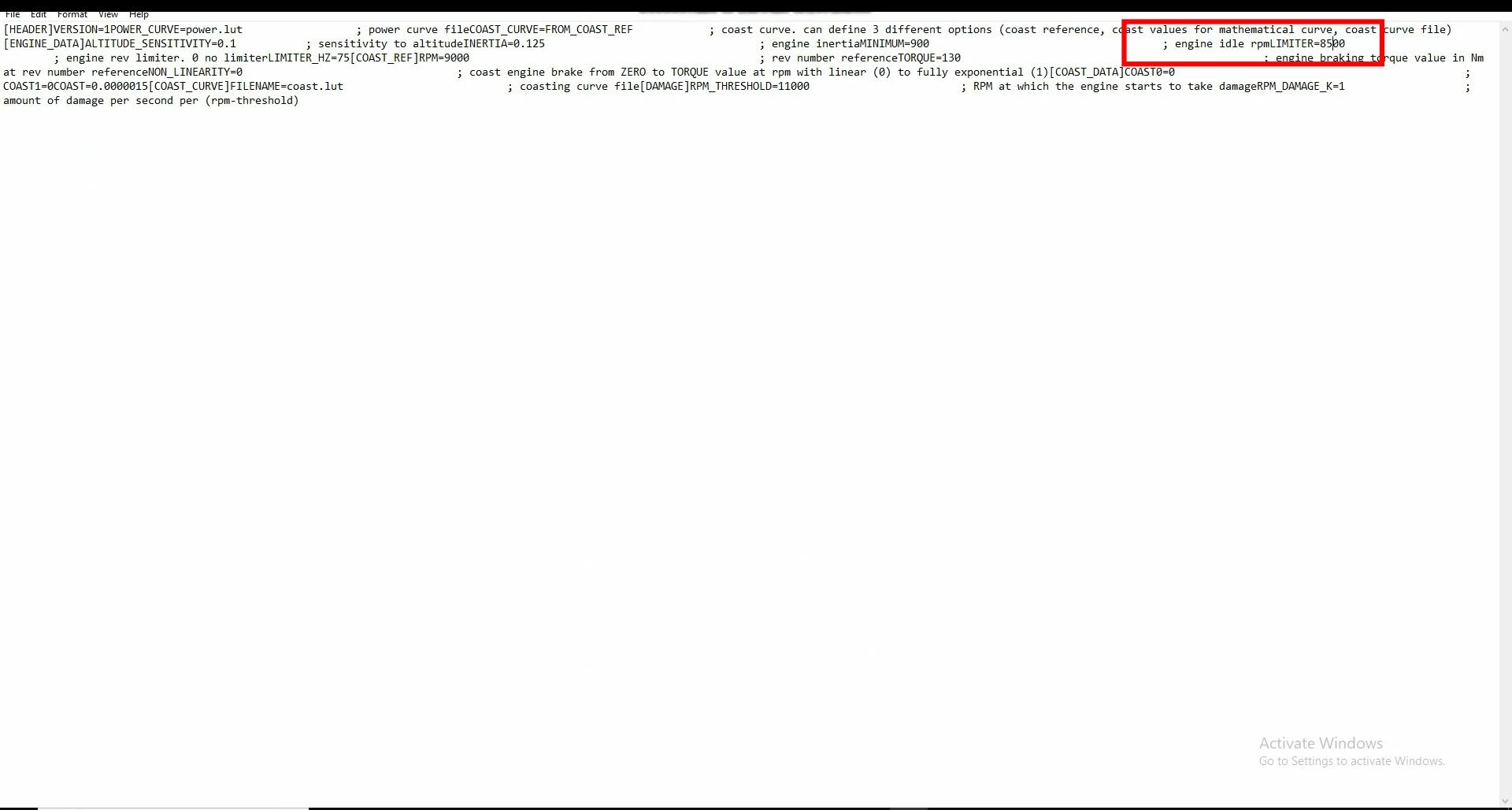
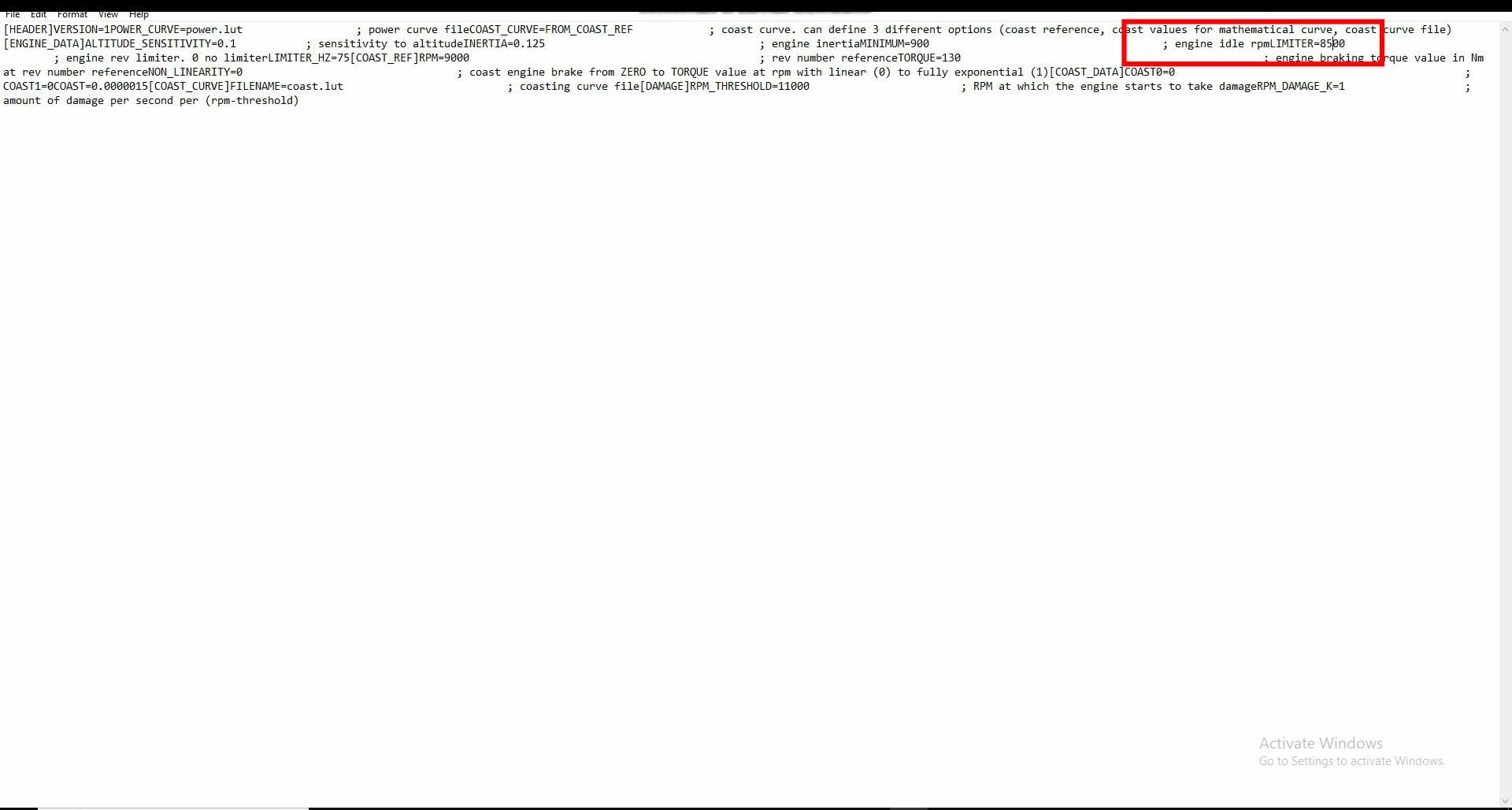
In the engine.ini file, find the lines responsible for the maximum rpm:
rpmLIMITER=8500
Change the value to:
rpmLIMITER=9000
This will allow the engine to spin higher, which is needed to increase peak power.
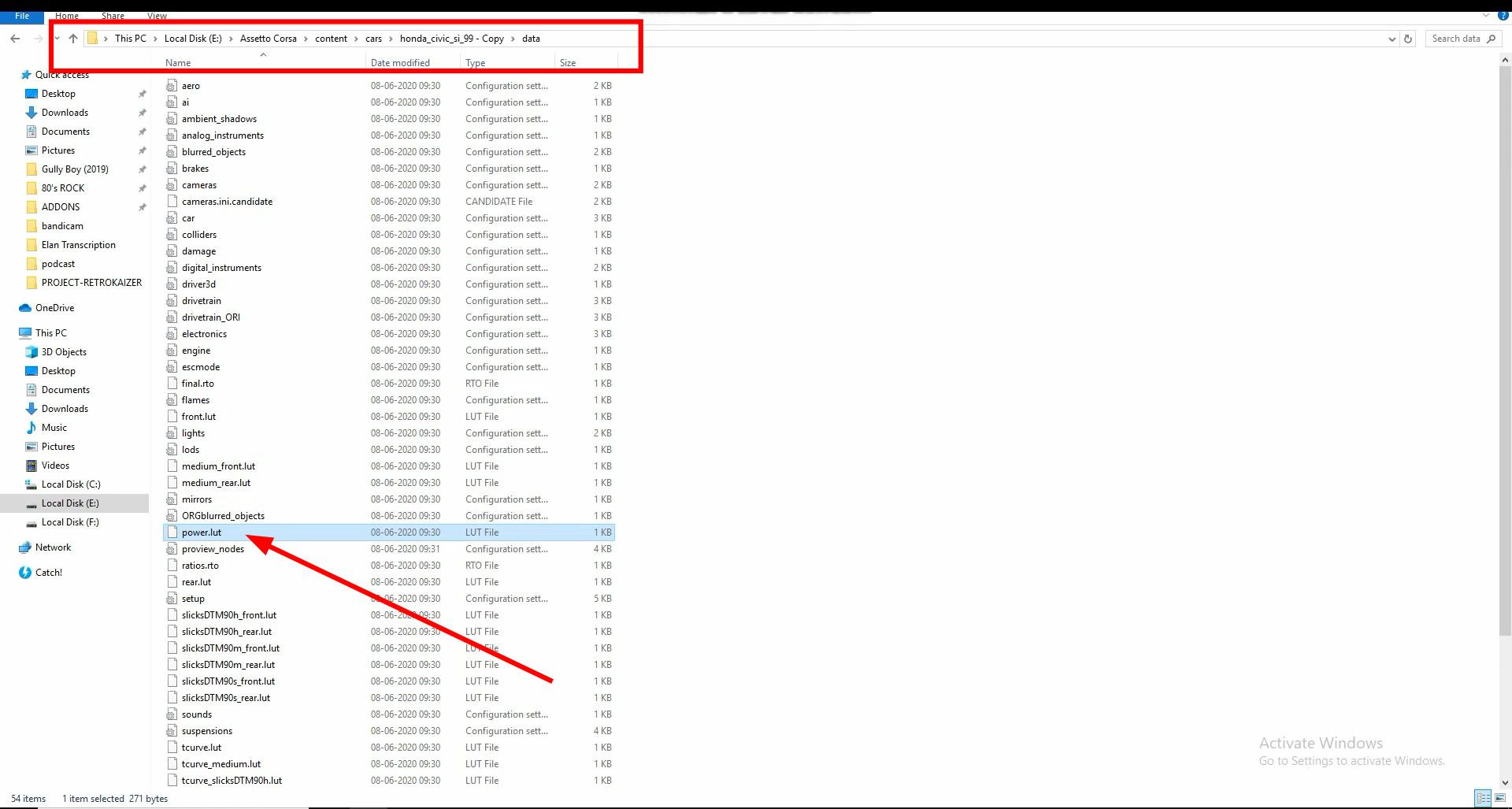
Editing the power.lut file
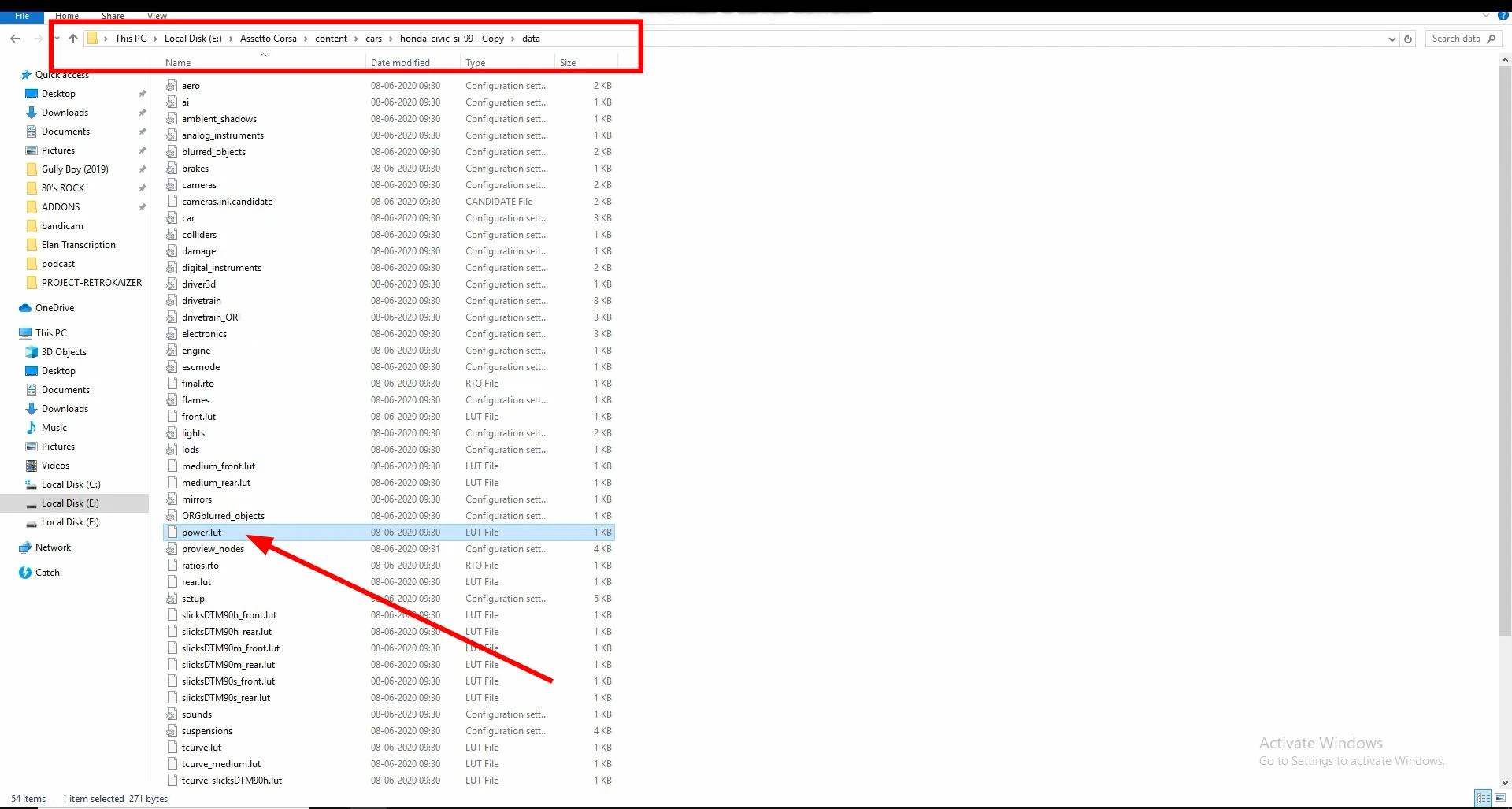
Open the power.lut file using Notepad or any text editor. This file contains a table of the relationship between power and engine RPM.
Editing example:
1000 150
2000 155
3000 160
...
9000 250
Be careful not to set too high values at once (e.g. 300-400), unless you want a drift car with no clutch.
Updating data in Content Manager
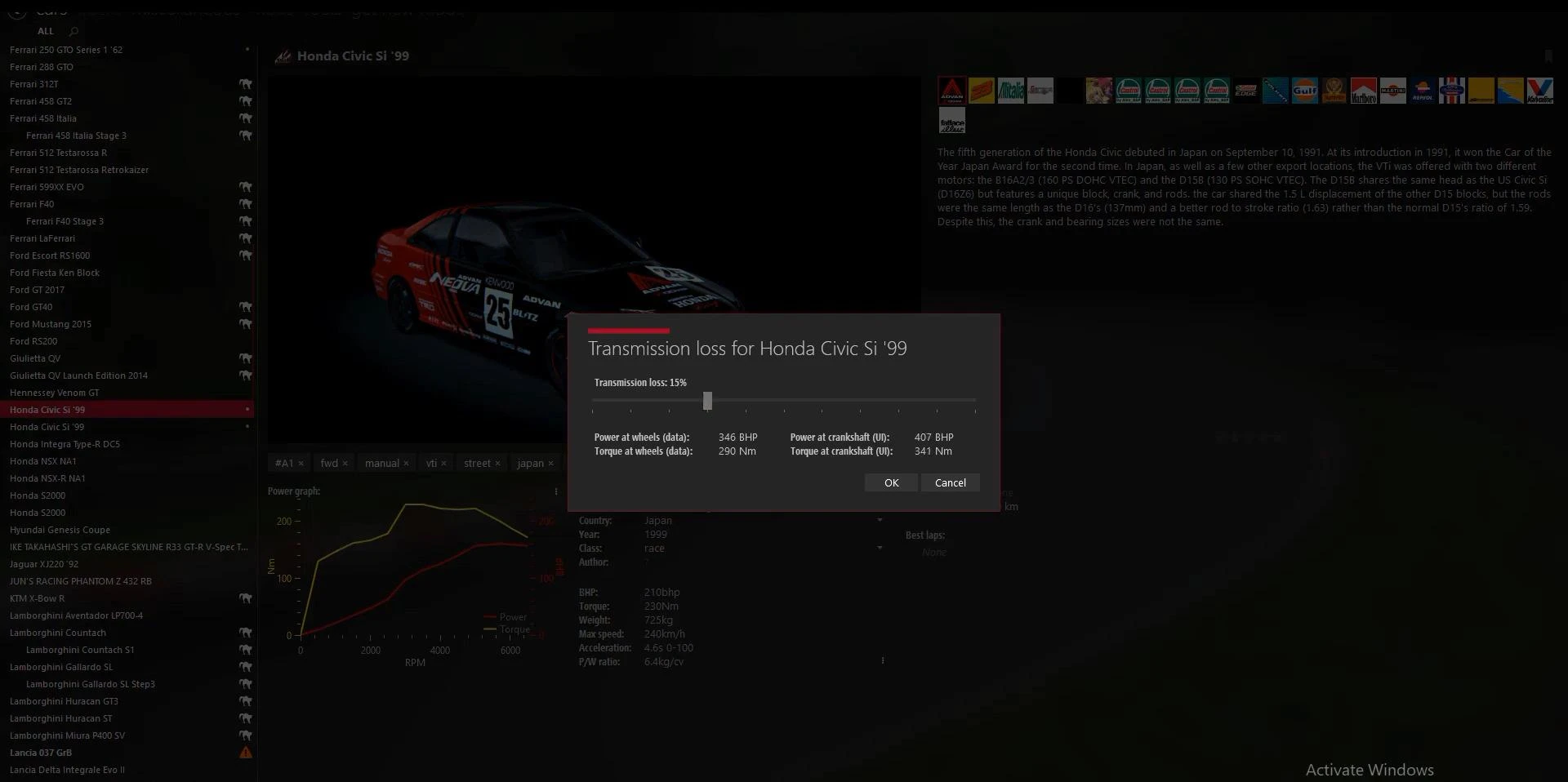
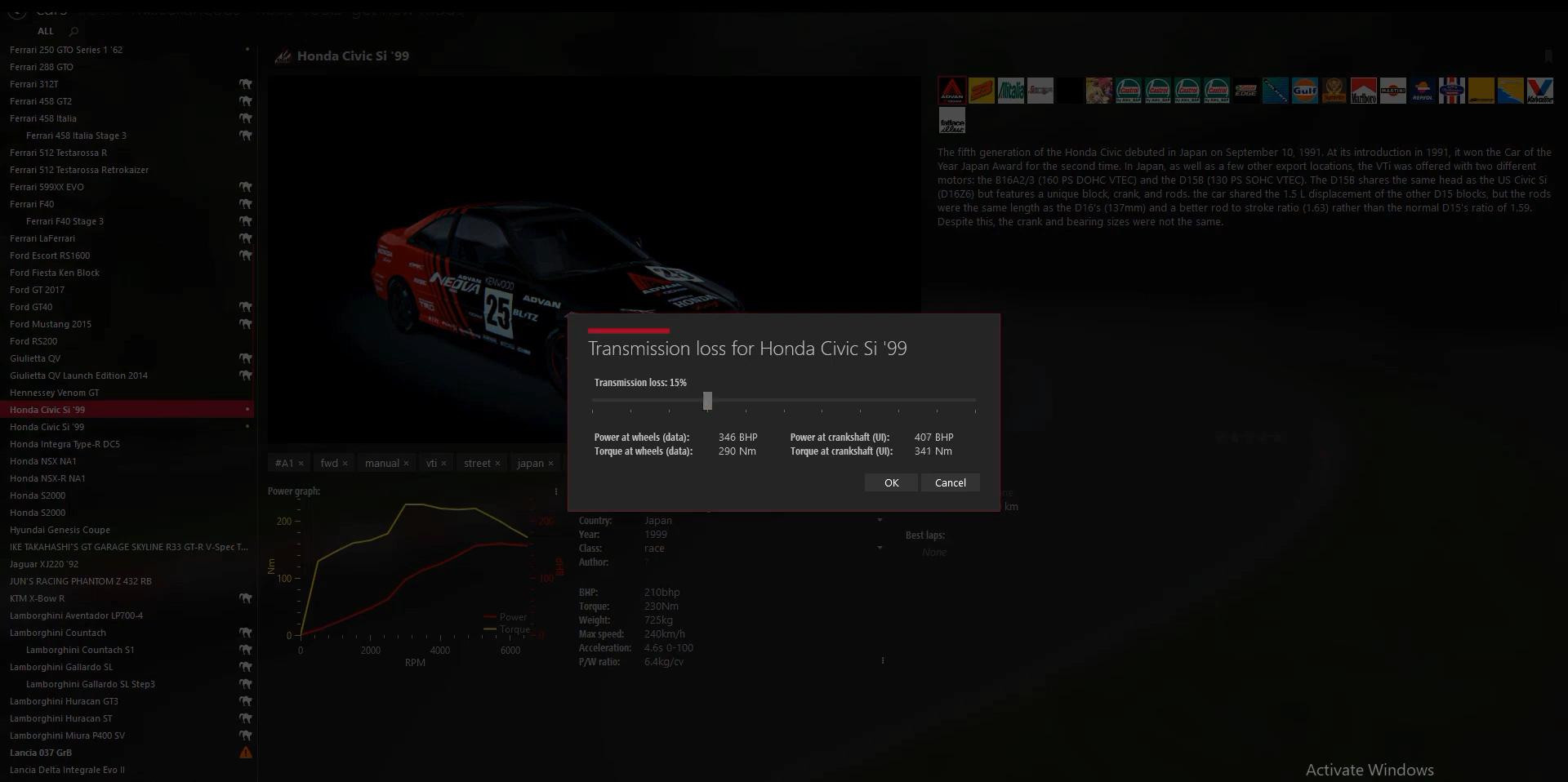
If you are using Content Manager, don't forget to click “Update Values” after changing files. This will recalculate the power graphs and show how much more powerful your car is now.
It is also recommended to set Transmission Loss to 15% - this will give a realistic result.
Test drive
After all the edits, test the car on a track, such as Monza 1966. The modified version of the Civic shows gains up to 9000 rpm and much more aggressive acceleration in the 6000-7000 rpm zone, which mimics VTEC engagement.
The modified car effortlessly hits 240 km/h, while the original struggles to reach 230 km/h. In the acceleration test, the tuned version easily takes the lead.
Videos
Added by





_modland.jpg)





this is really tricky to do, because every car has it's parameters and functions, It's not a magic formula that work in every car. For example, if you try this way with a rollovers_ford_gt_gte, you will find out that the "aero settings (aero.ini)" still bottlenecks the performance due to aero sensitivity