How to Grow Grain Crops in Farming Simulator 25
-lg_modland.jpg)
-lg_modland.jpg)
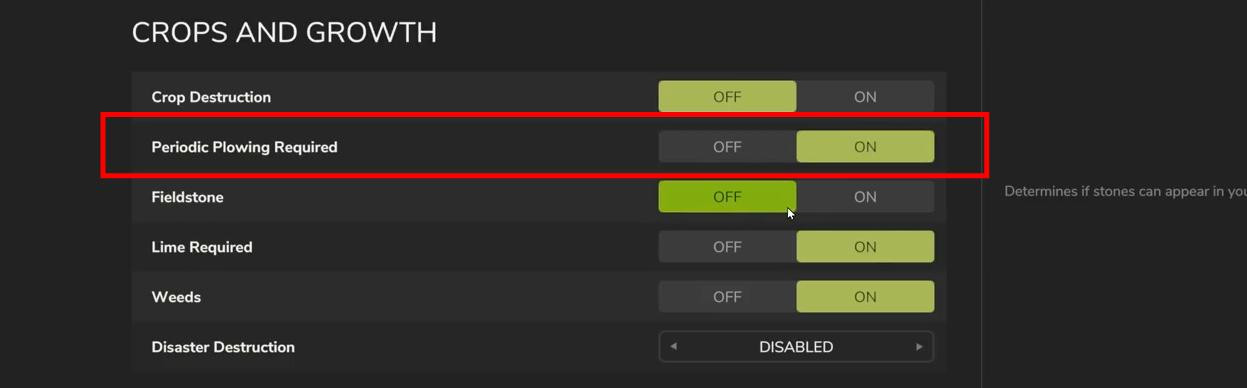
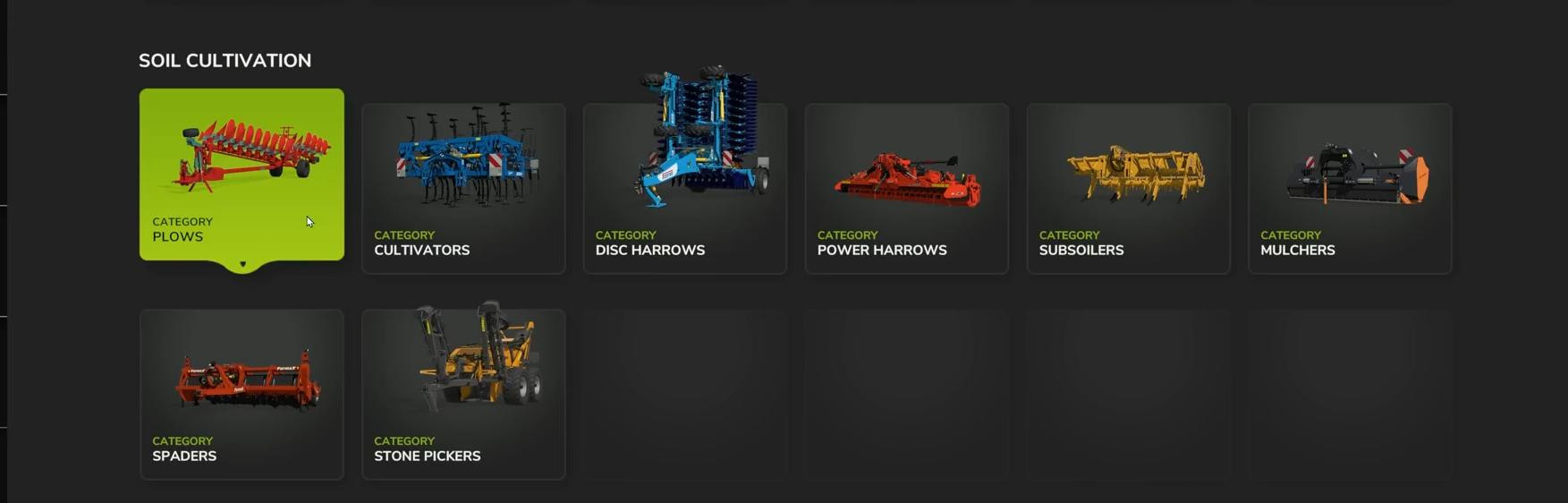
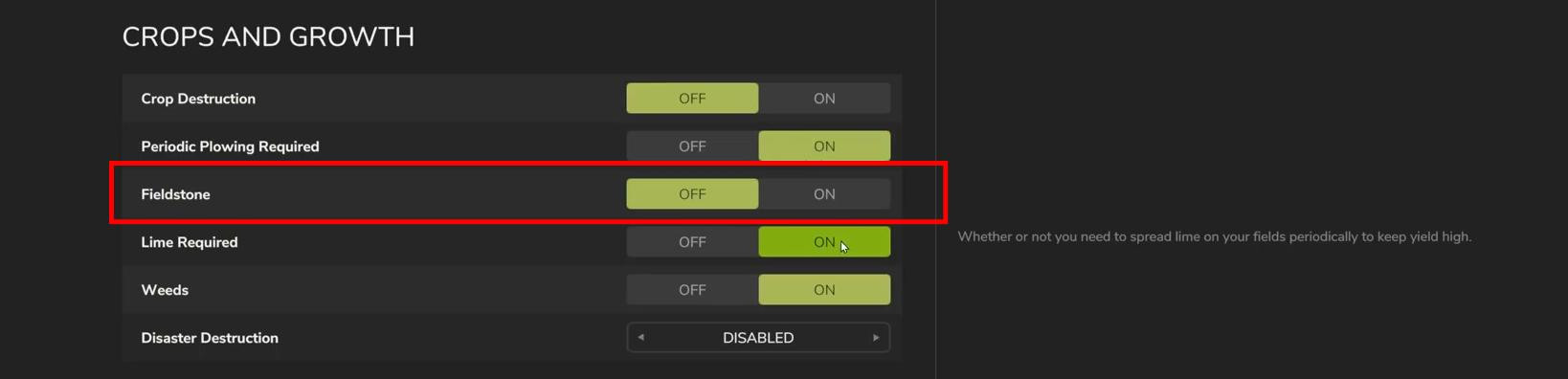
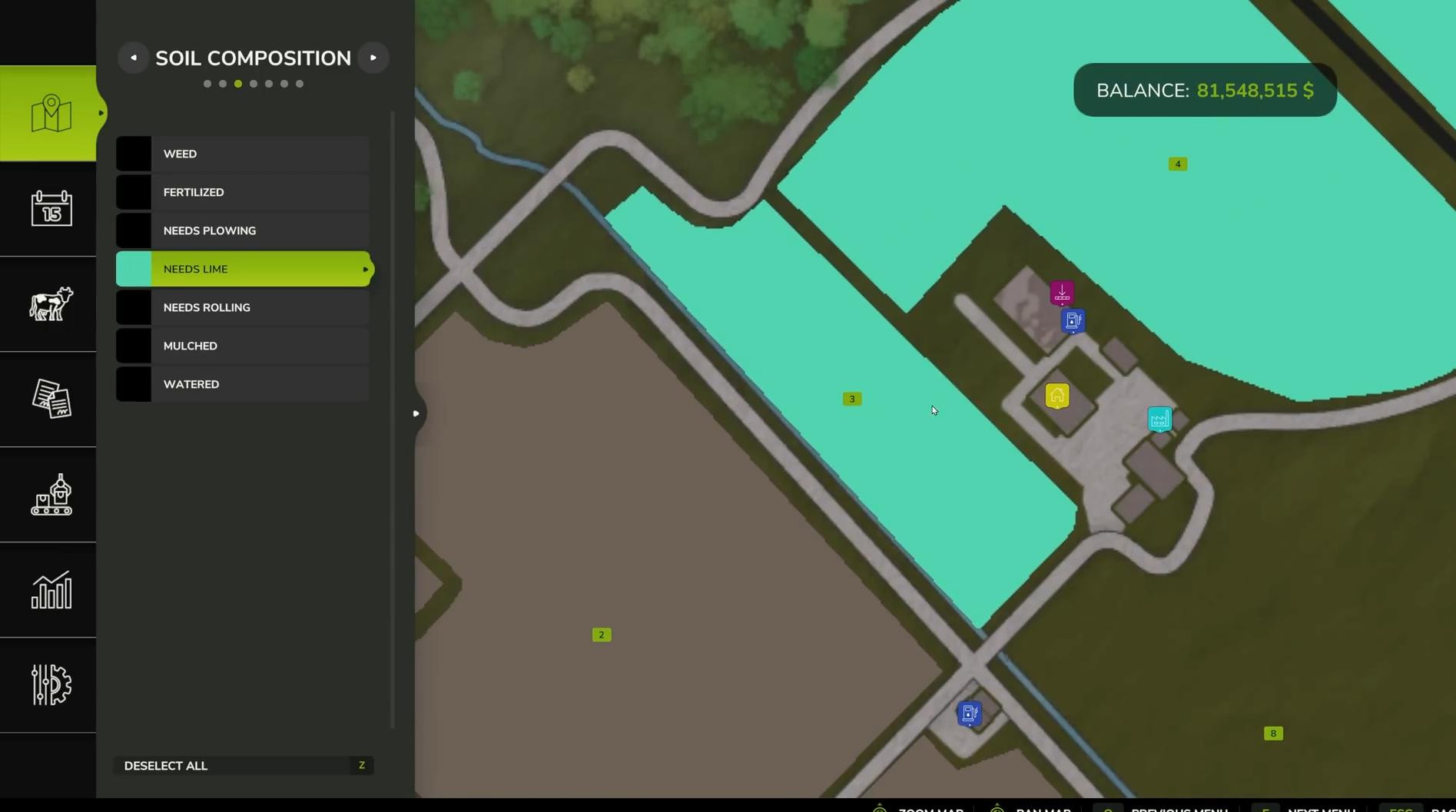

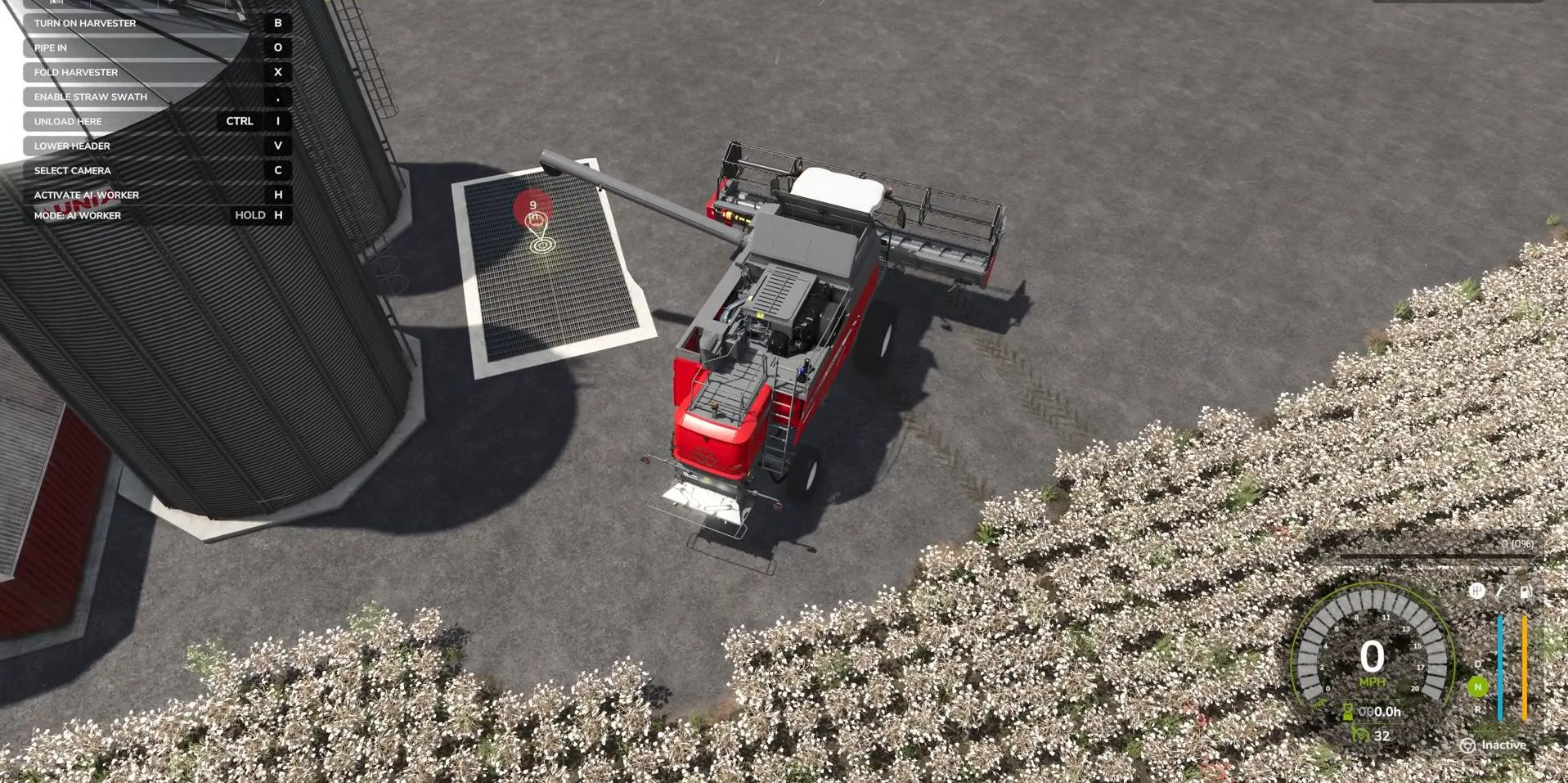
Field preparation is the first and most important stage. If you are using a conventional seed drill (not direct drilling), the field must be prepared in advance.
You can use the following methods of soil cultivation: cultivation, disc harrowing, harrowing, plowing, or using a subsoiler.
If the “Periodic Plowing Required” feature is enabled in the game settings, you will have to use a plow, spader, or subsoiler, otherwise you will lose part of your yield.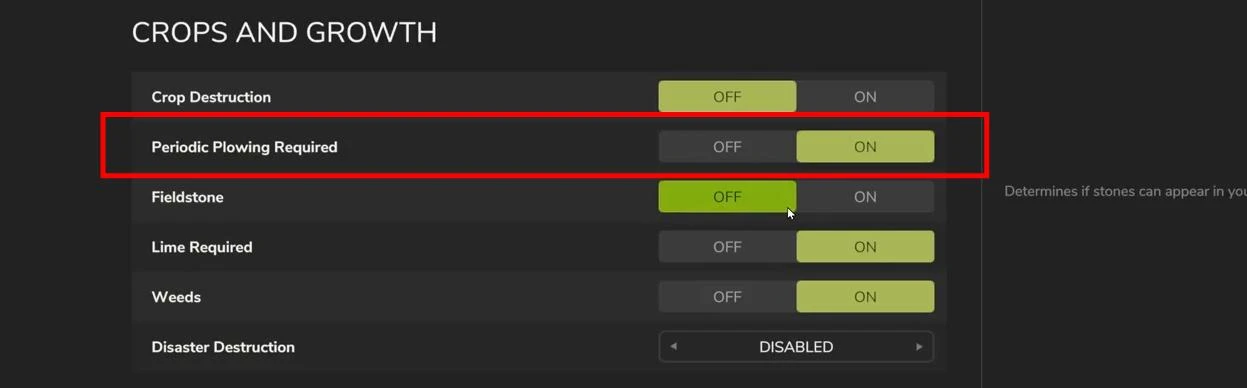
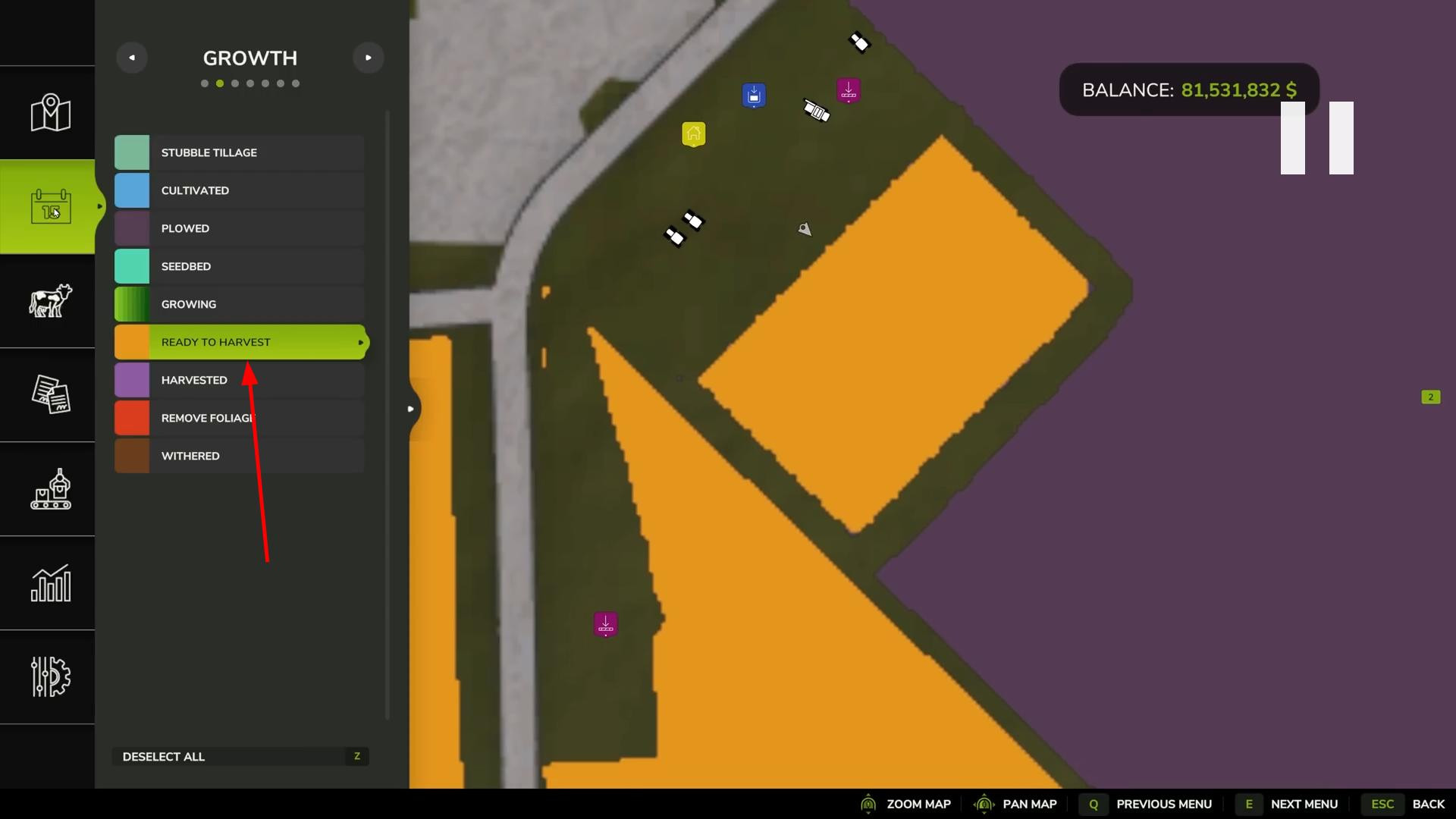
You can check the need for plowing in the map menu by enabling the soil composition display — if the area is red, then plowing is necessary.
It is also recommended to apply lime (once every three harvests), which will turn the field light blue.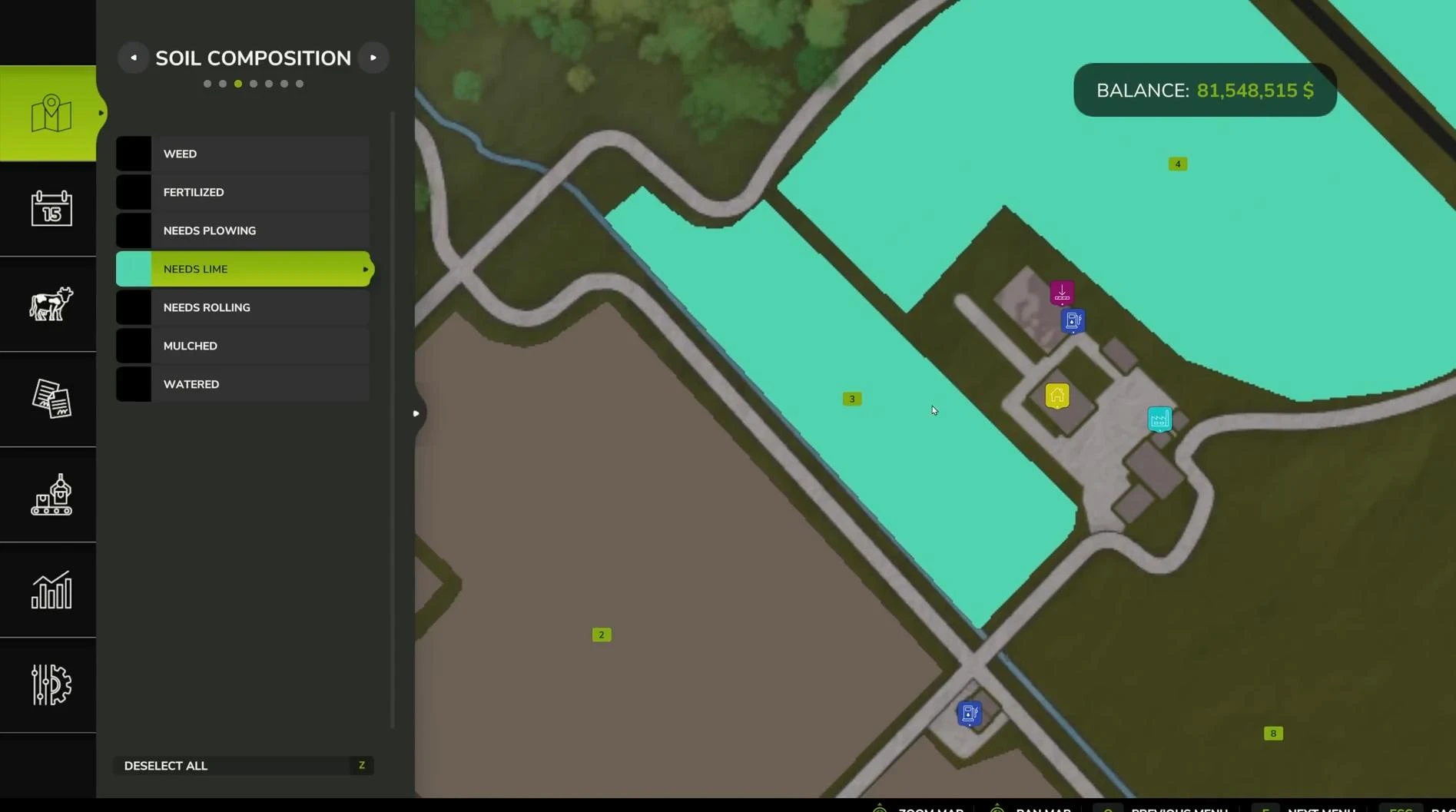
To do this, you will need a lime spreader — there is only one in the base game.
If stones are activated in the field, they may appear after plowing.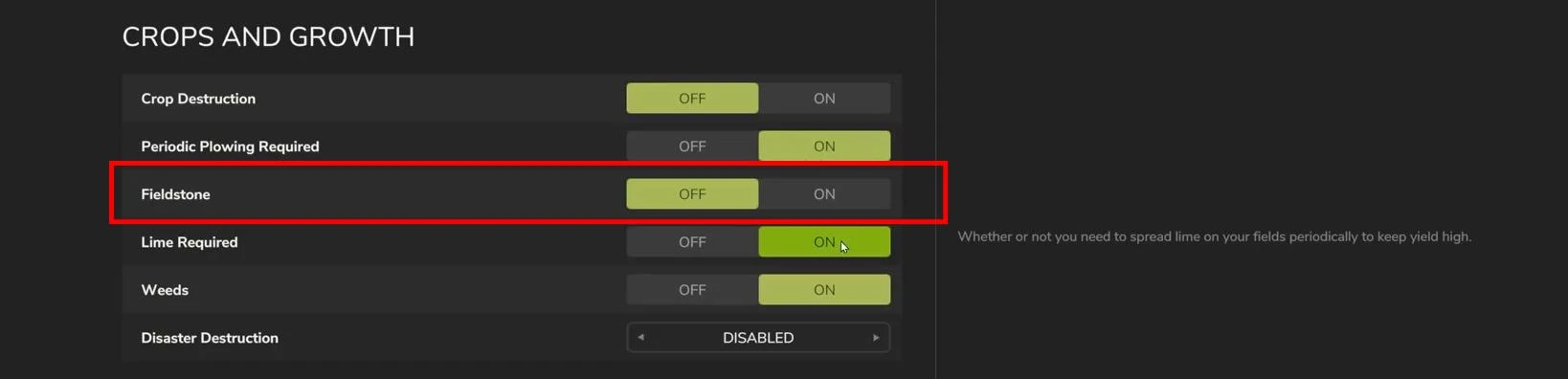
Although they do not affect yield, they accelerate equipment wear. If you don't want to deal with this, disable it in the settings. Once you have finished preparing and made sure that the field does not need lime or plowing, you can move on to sowing.
Sowing grains: equipment selection and seasonality
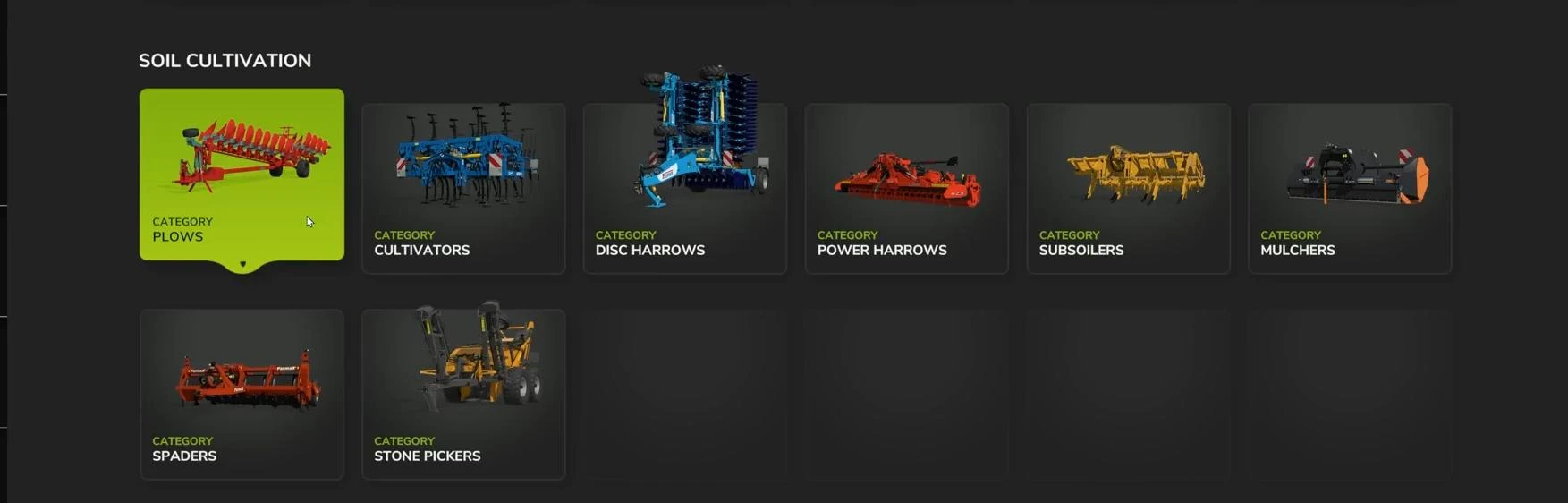
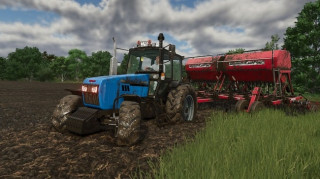
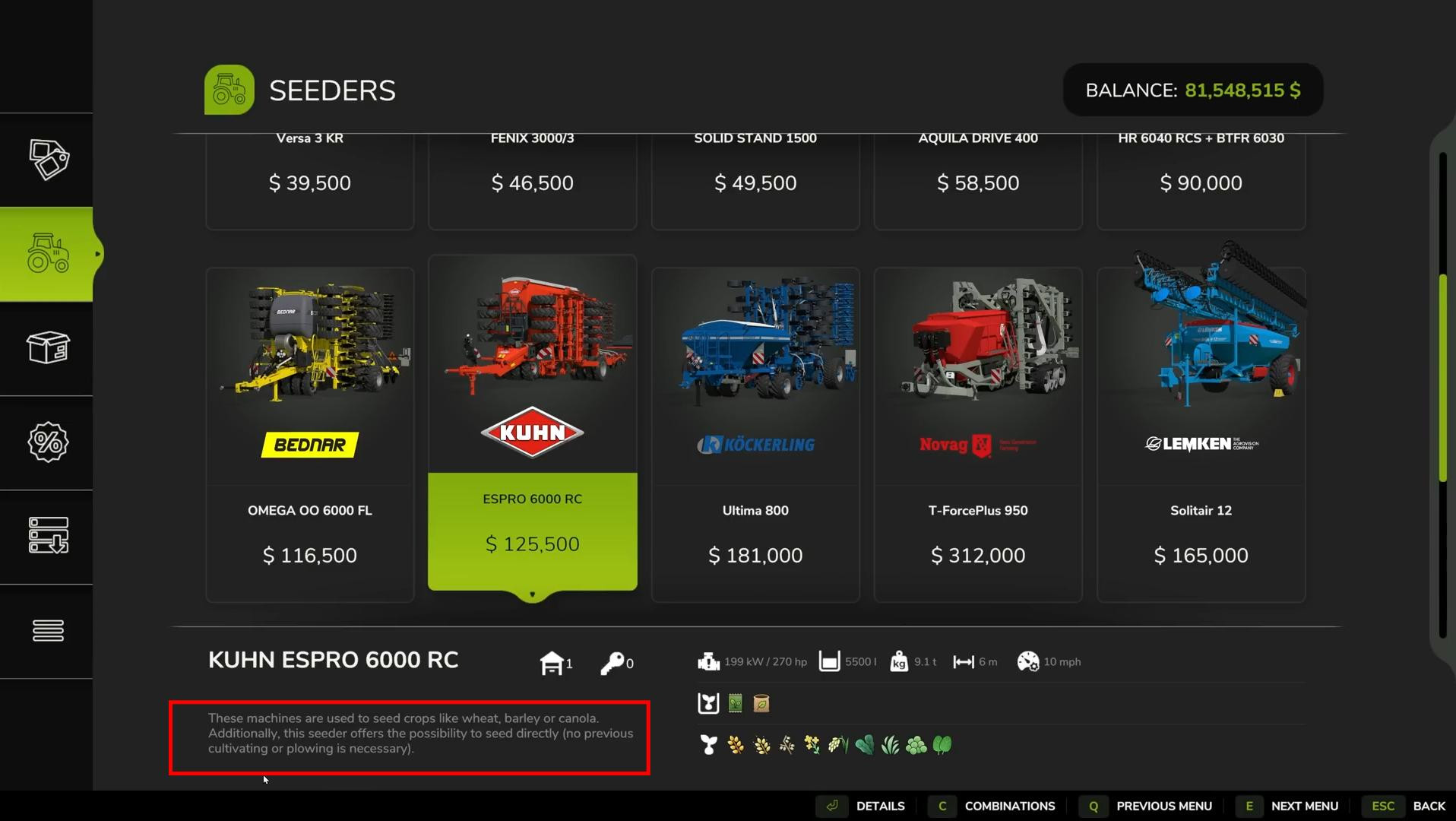
FS25 has seeders and planters. Seeders are used for sowing wheat, barley, oats, and canola. Planters are used for soybeans and sorghum.
The wrong choice of equipment will simply prevent you from planting the desired crop, so keep this in mind before purchasing.
The equipment store has sections for “Seeders” and “Planters,” which indicate which crops are supported.
To avoid additional field cultivation, the store offers equipment with a direct sowing function. This is indicated in the equipment description.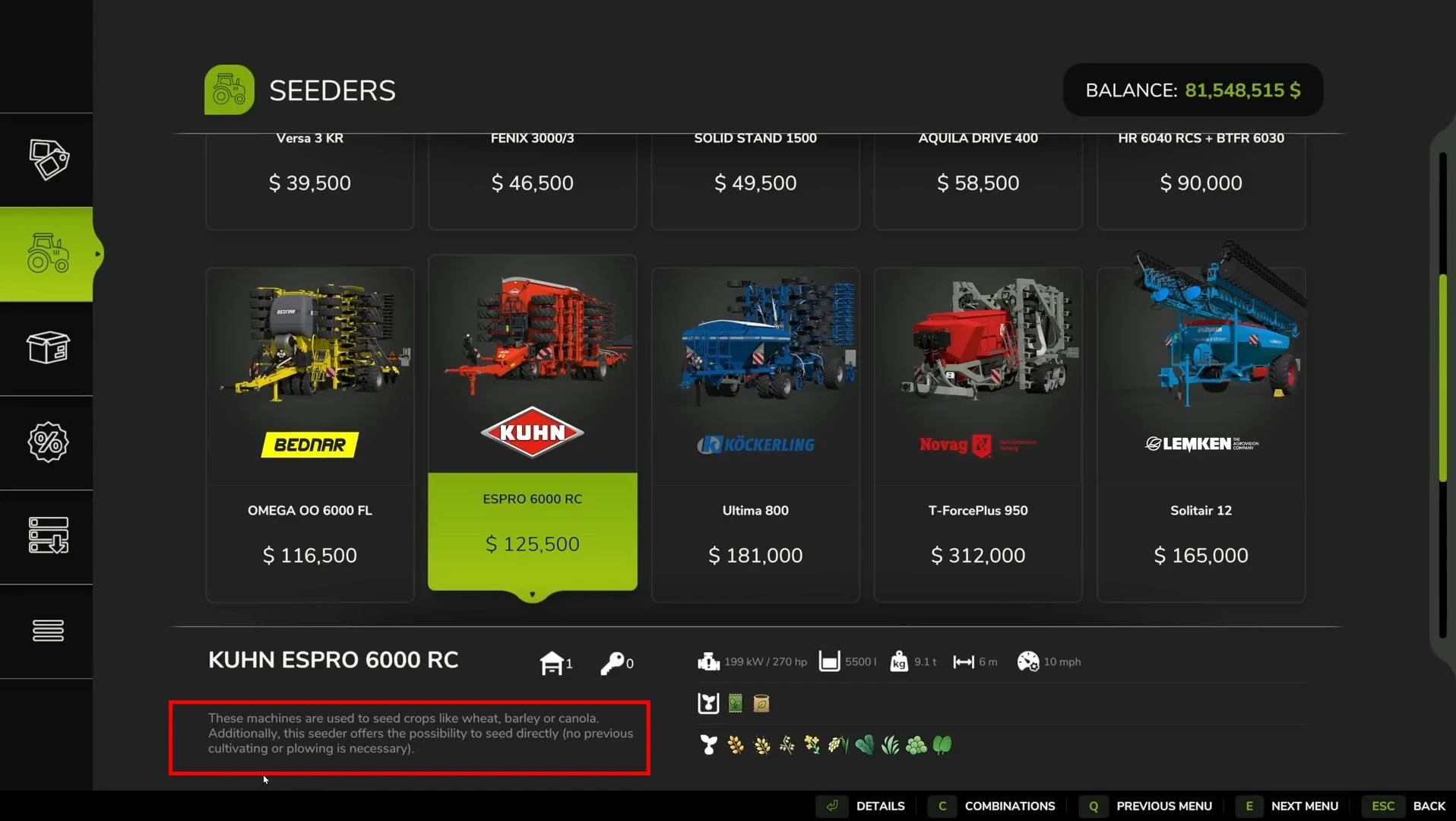
Some models can simultaneously apply fertilizer to reduce the number of passes across the field. Make sure you have both seeds and solid fertilizer if the seeder supports it.
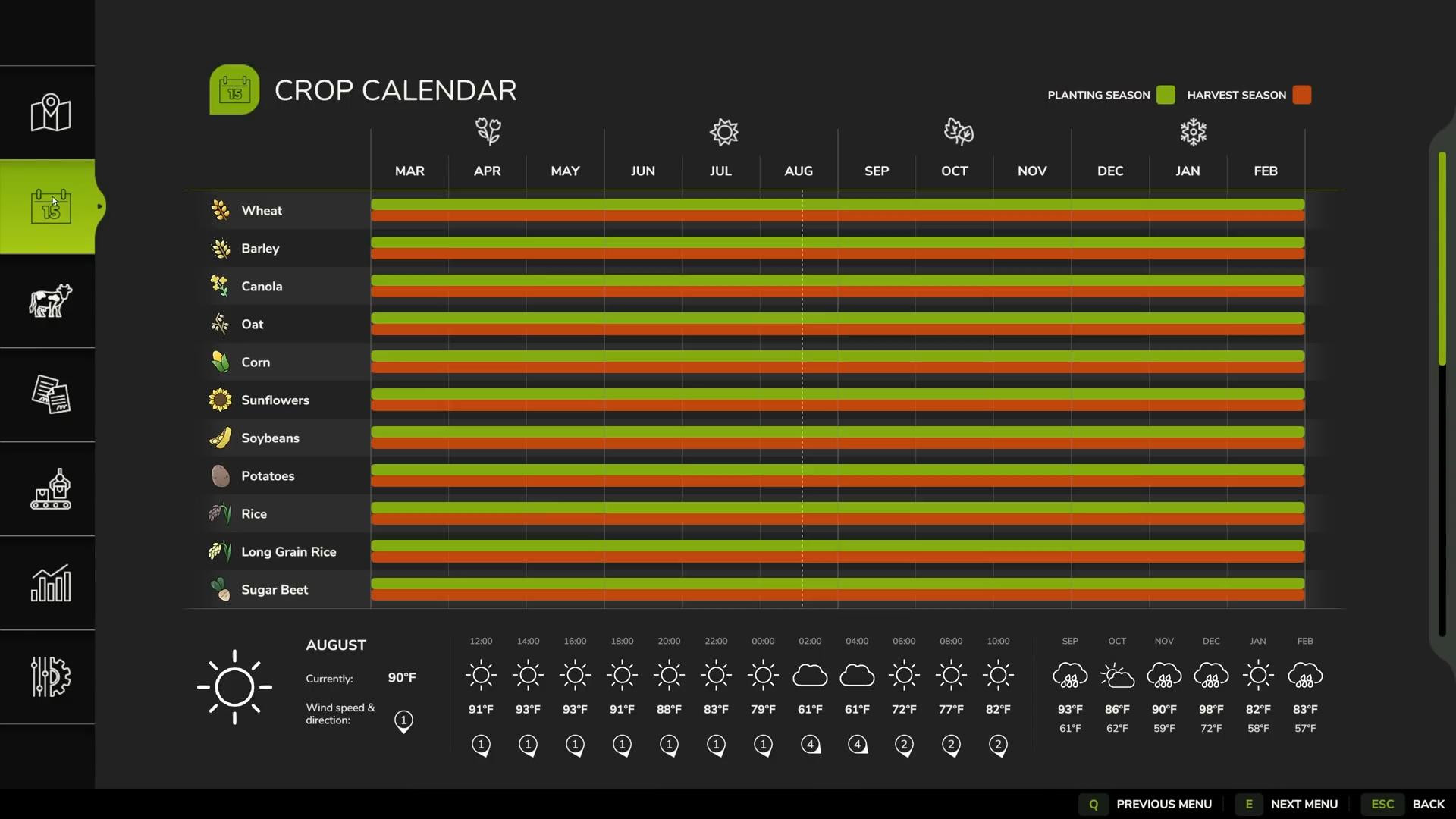
If the seasonal system is enabled in the game, you must follow the sowing schedule.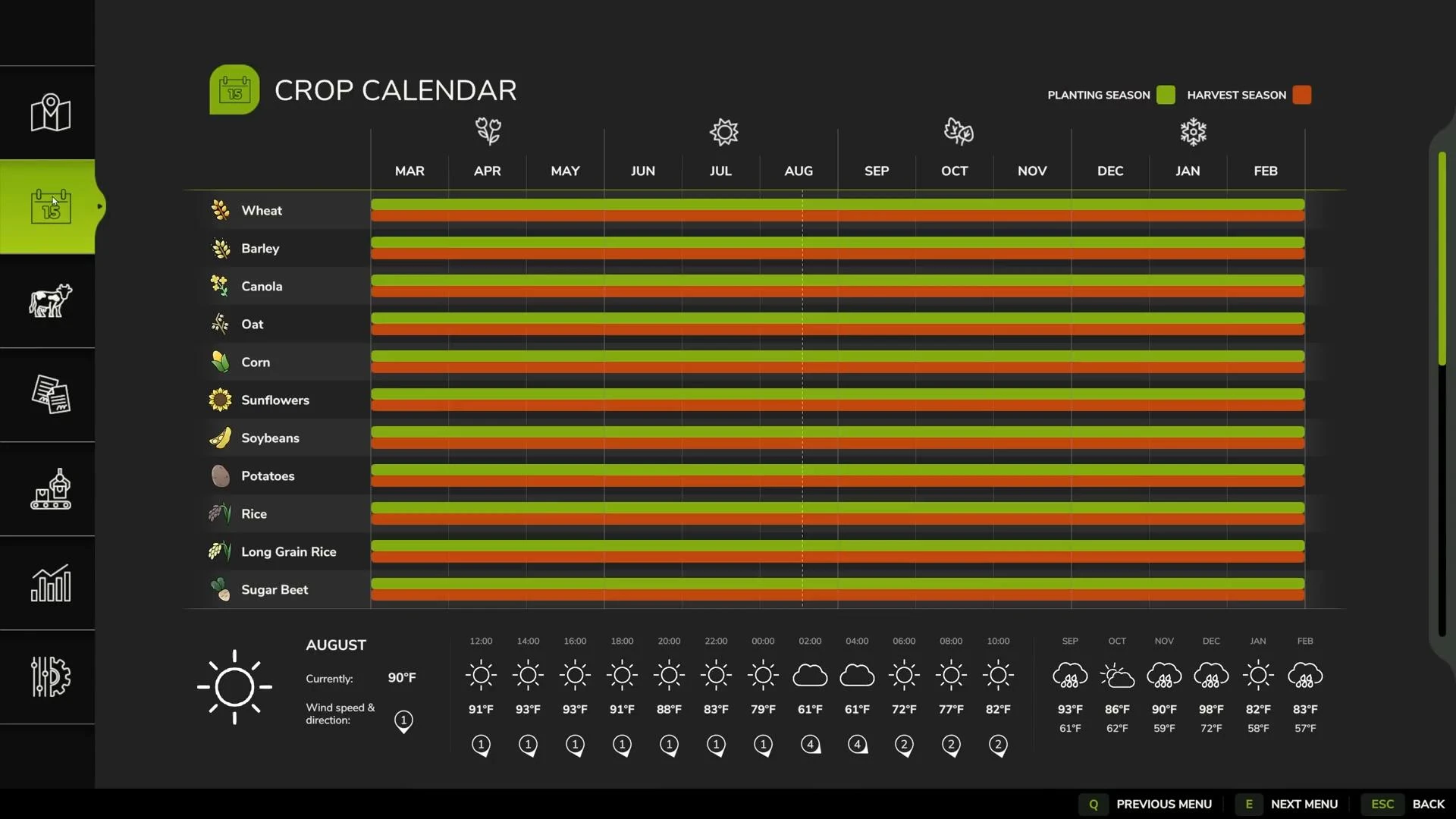
Then you need to sow wheat and barley in the fall, and soybeans and sorghum in the spring. Also, don't forget to keep an eye on the calendar to see when to harvest. Otherwise, the crop will simply be lost.
If seasonality is disabled, you can plant and harvest at any time.
Crop care: fertilization and weed control
Two layers of fertilizer are required for maximum yield. The first layer can be applied during sowing, if the equipment supports this function. The second layer is applied one month after planting.
All types of fertilizers are suitable for this: solid, liquid, manure, slurry, or digestate.
When the crop is planted, weeds will also grow in the field. They reduce the yield, so you need to control them by any means necessary. To control them, you can use:
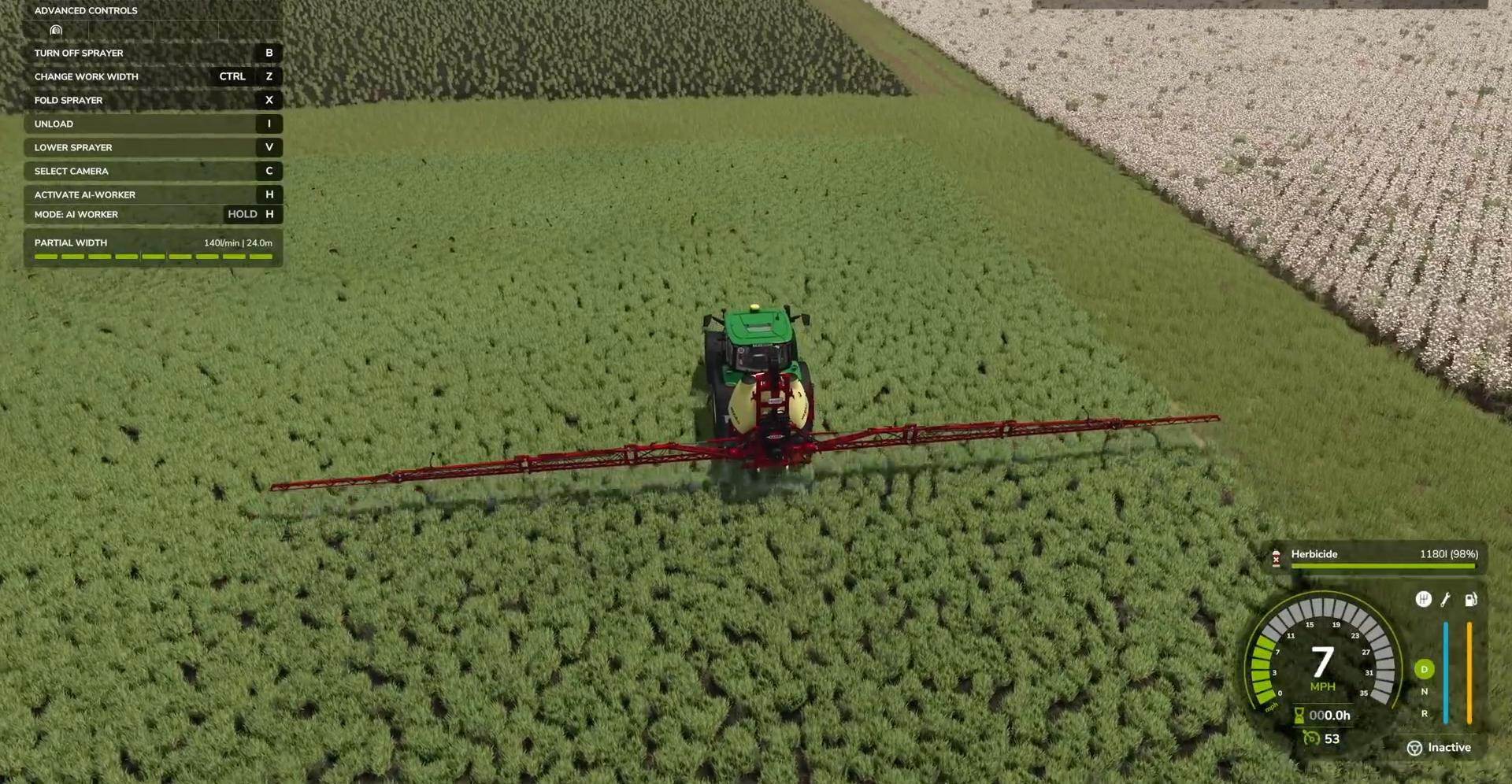
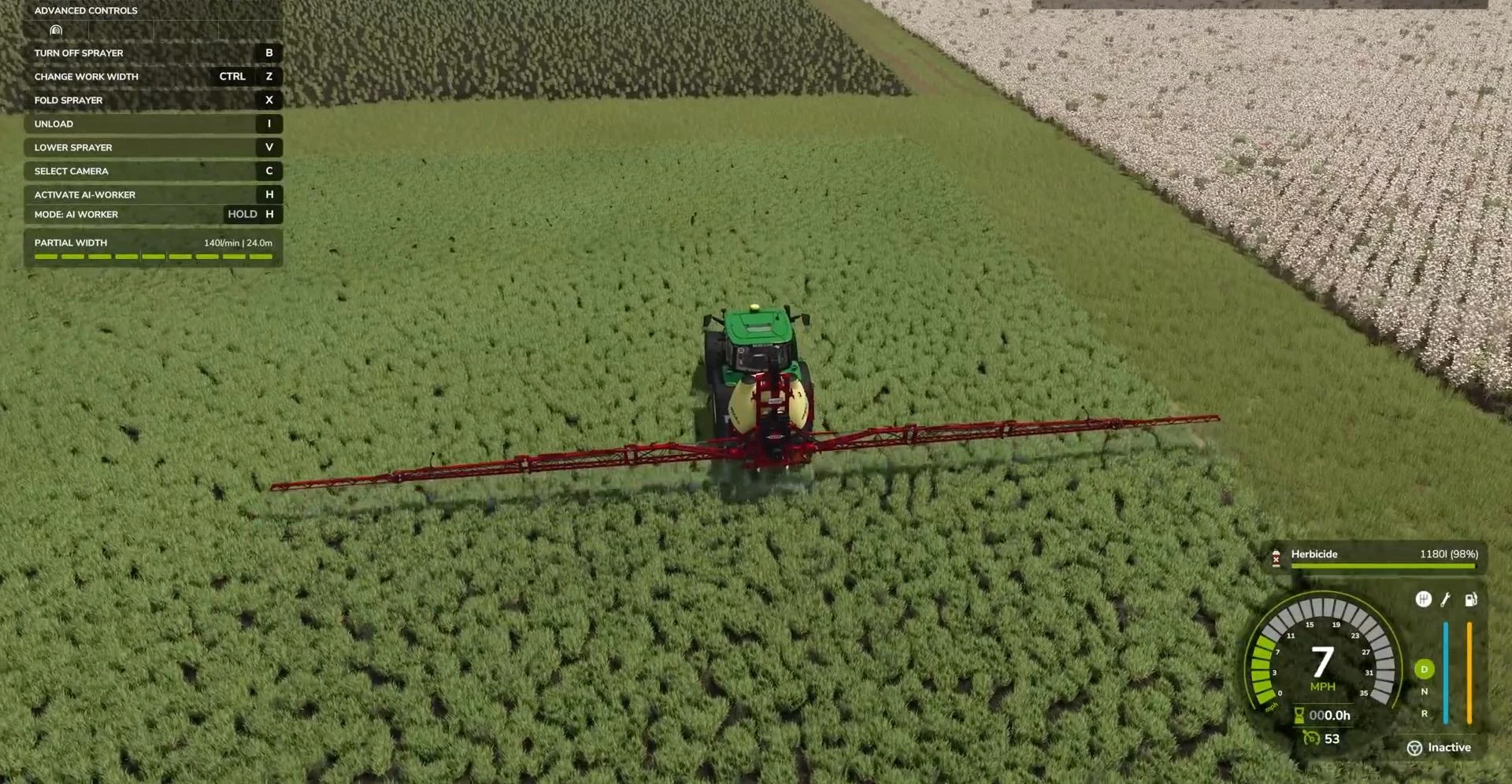
- A sprayer with herbicide — effective against all types of weeds.
- Mechanical means (hoes, weeders) — only work against small and medium-sized weeds.
When you approach the field, information about the need to process the field will be displayed in the lower right corner. This information will help you determine the type of weeds and you will know which method to use to combat them. If you don't want to deal with weeds, you can disable them in the settings, but the yield will decrease slightly.
Note that if you have disabled the weed growth function in the settings, you don't need to worry about removing them!
Harvesting: equipment and features
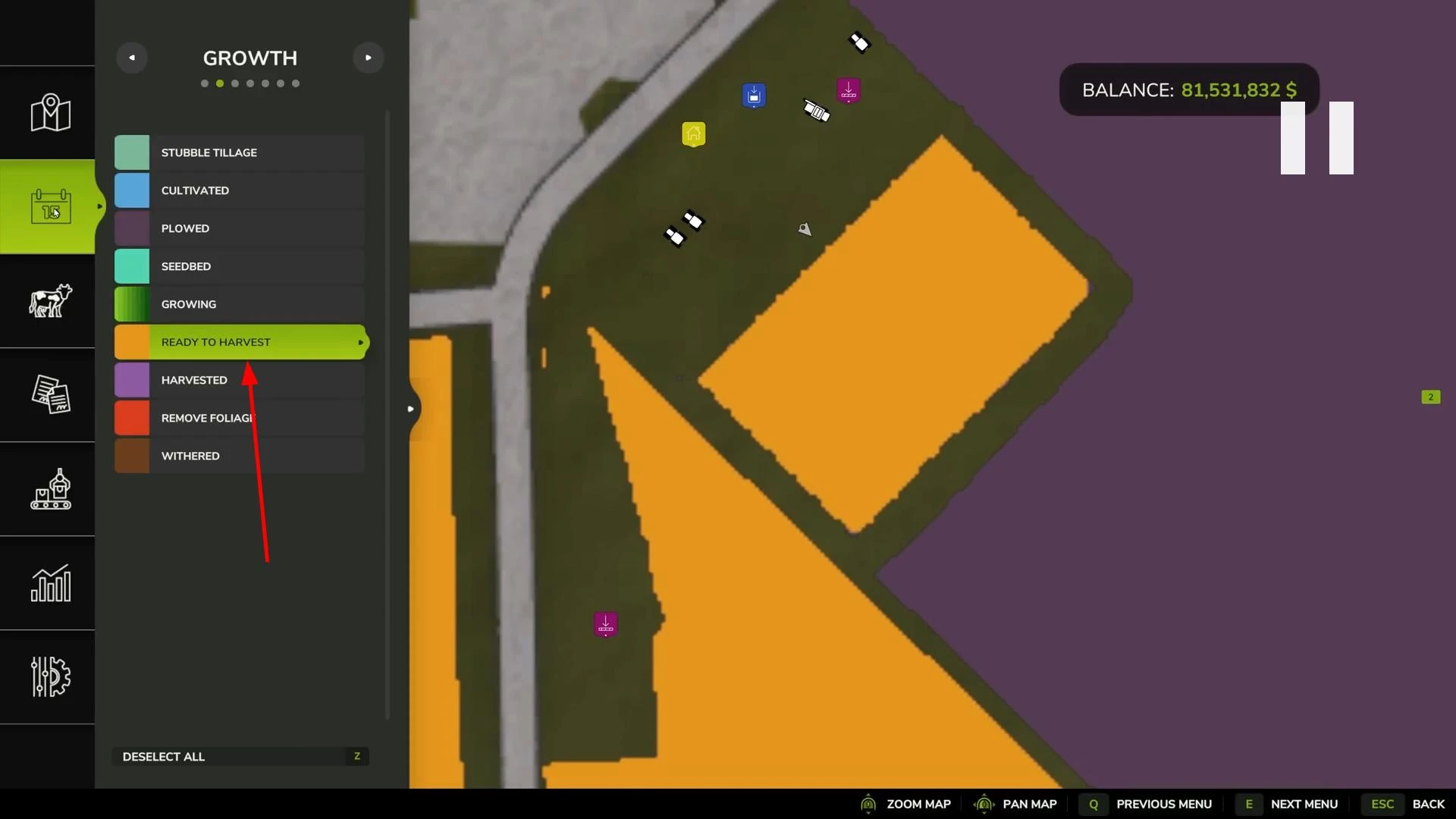
When harvest time comes, it's time to choose the right equipment for the job. You can buy a combine harvester with a grain header at the store. All of the crops mentioned are harvested in the same way, regardless of the type of seeder.
When choosing a header at the store, make sure it is compatible with your combine model.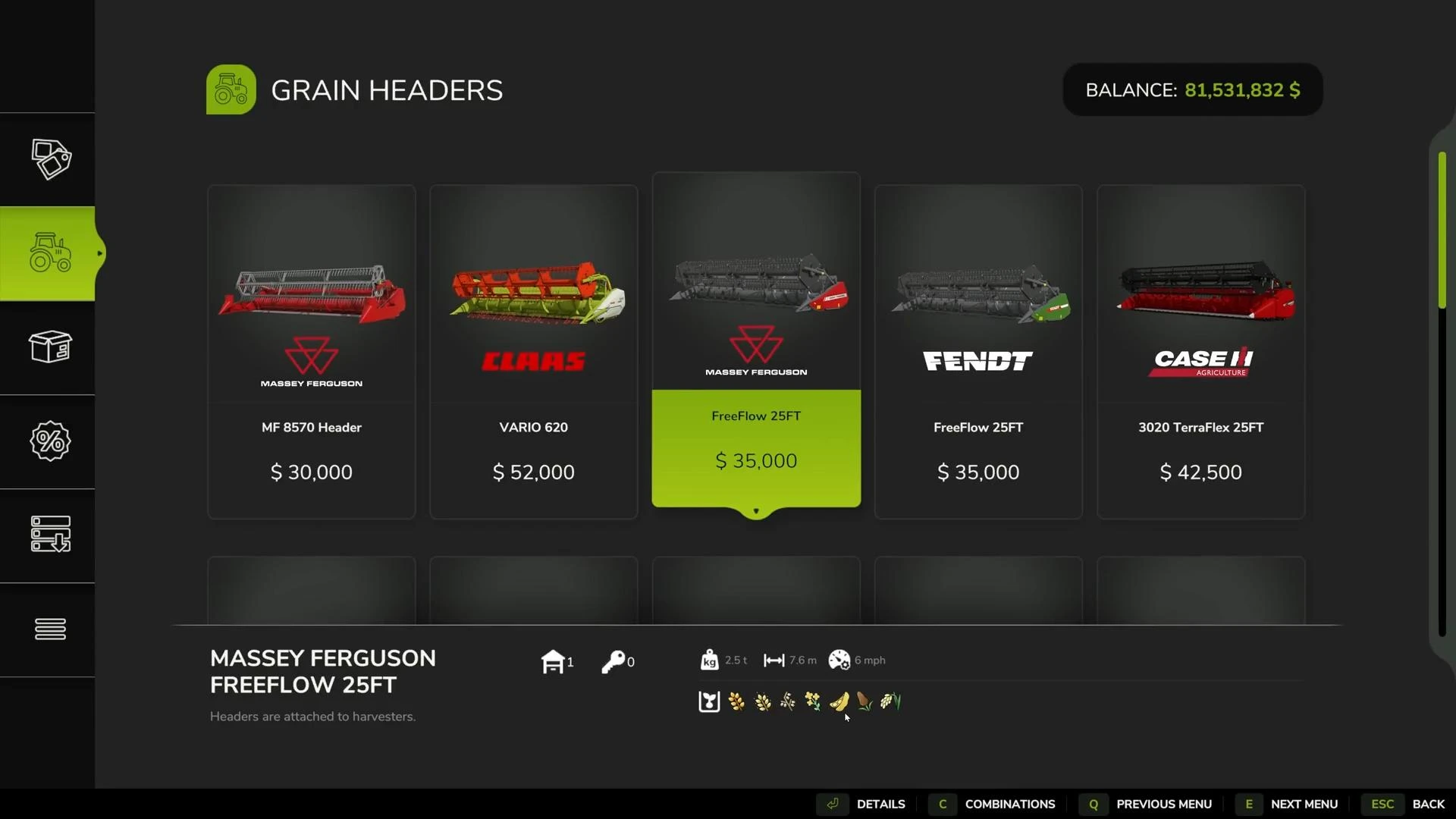
Wheat, barley, and oats also produce a by-product—straw, which can be included by pressing the “Enable straw swatch” button. Straw can be collected with pick-up trailers, pressed into bales, or simply plowed/recultivated if you don't need it. Canola, soybeans, and sorghum do not produce straw.
If you do not collect straw, the mulching function is activated — the residues are mulched, and this adds a small increase in yield for the next planting. But you can also collect straw and use it on the farm. For example, it is used as bedding for animals to obtain manure.
What to do with the harvest?
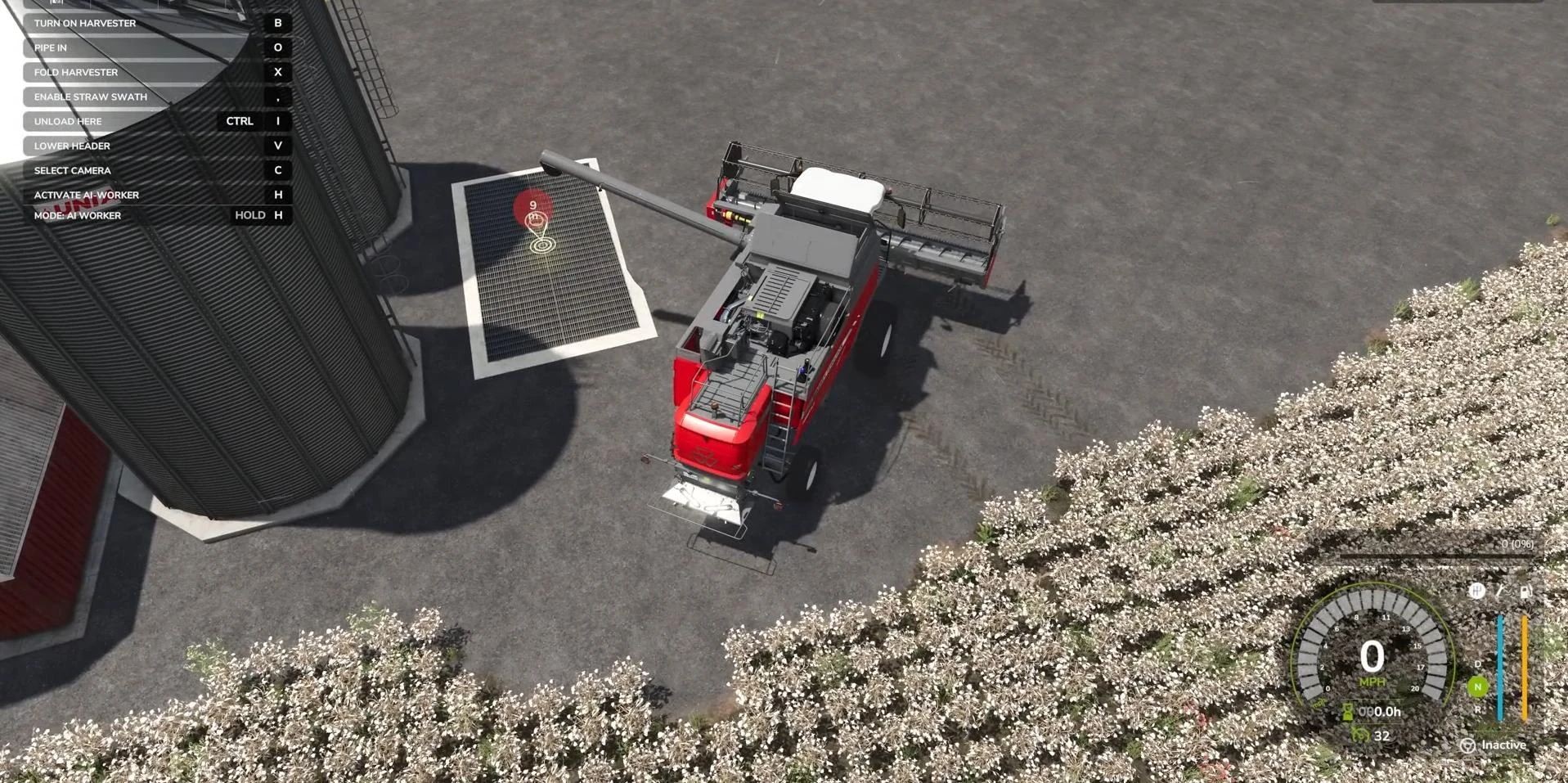
- Store in silos.
- Sell it at one of the collection points.
- Use it in production — wheat and barley can be sent to a flour mill and from there to a bakery.
To sell, simply drive up to the desired point and unload the harvest. The price is always indicated per 1,000 liters.
Please note that prices may vary at different times of the year. Therefore, do not rush to sell. It is better to wait until there is good demand for a particular crop in order to sell it at a higher price.
Videos
Hinzugefügt von